
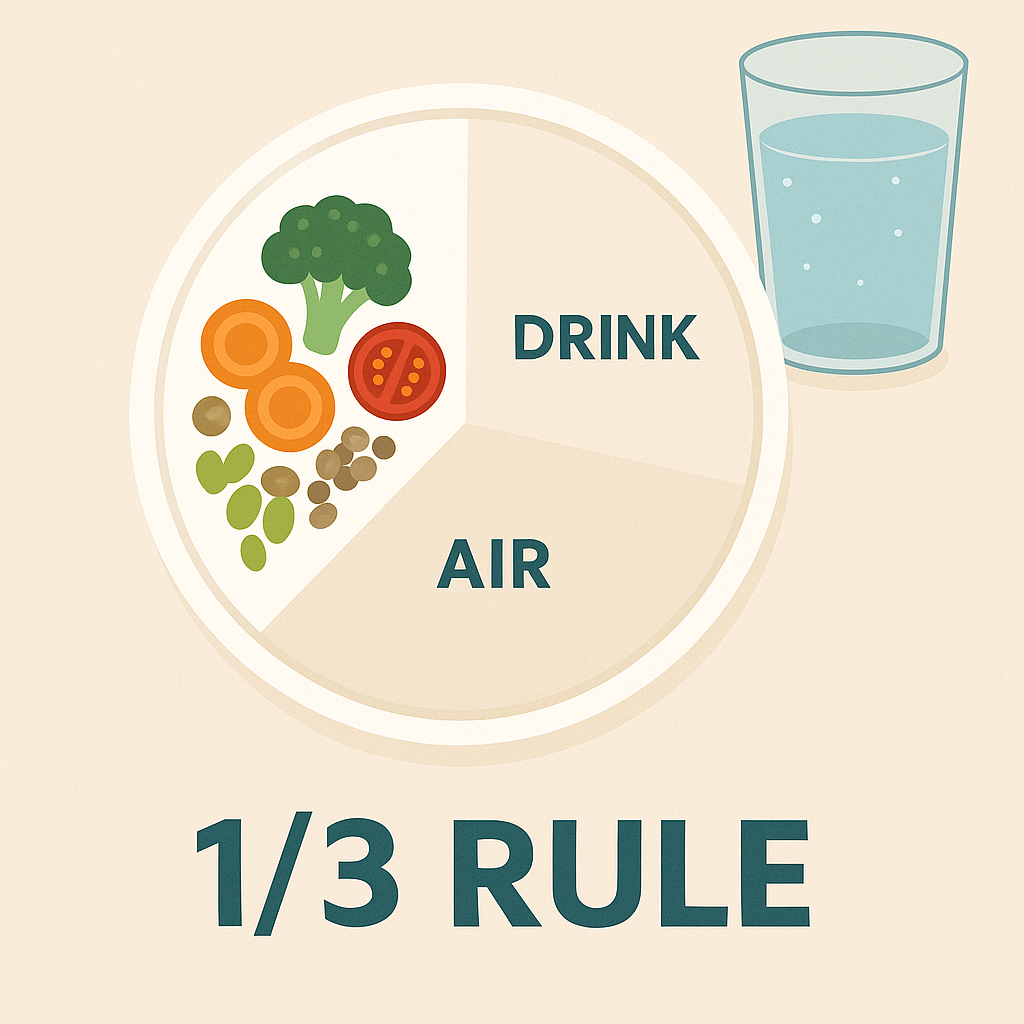
Lately, I’ve been paying more attention to how I eat—not just what I eat.I realized that a lot of my discomfort wasn’t always about the food itself… but how much I was eating and how quickly.
That’s when I came across a powerful reminder from the Sunnah—the teachings and practices of Prophet Muhammad ﷺ (peace be upon him)—that I’m still trying to apply in my own life.
Prophetic Guidance
The Prophet ﷺ said:
“The son of Adam does not fill any vessel worse than his stomach. It is sufficient for the son of Adam to eat a few mouthfuls to keep him going. If he must fill it, then one third for his food, one third for his drink, and one third for air.” (Tirmidhi 2380)
This hadith is simple, but the more I reflect on it, the more I realize how much wisdom it holds. It’s not just about eating less — it’s about balance, awareness, and self-control.
For me, this is a reminder to eat with moderation. I’m not trying to measure my stomach into exact thirds, but to avoid eating until I feel uncomfortable.
Why I Started Paying Attention to This (Gut Health Perspective)
One thing I’ve noticed personally is that when I eat until I feel “full,” I often end up feeling:
- Bloated
- Sluggish
- Uncomfortable
And sometimes even light reflux.
But when I intentionally stop earlier, digestion just feels… easier.
The idea of leaving space in the stomach makes so much sense when you actually experience the difference.
A Simple Science Connection
I’m not an expert, but I’ve been learning that how we eat can matter alongside what we eat.
- Eating more slowly may reduce swallowed air, which can help with gas symptoms, especially burping.
- Smaller meals may help some people with acid reflux. However, the research supporting this advice is limited, and people respond differently.
These recommendations don’t prove that dividing the stomach into exact thirds improves digestion. I see the hadith as religious guidance on moderation, while the medical advice helps me understand habits that may ease discomfort.
These statements are supported by NIDDK guidance and the American College of Gastroenterology guideline.
Practical Habits I’m Trying
I’m still working on this, but here are a few small things that have helped me:
- Starting with Bismillah, meaning “In the name of Allah.
- Using smaller plates, to help me think about how much I serve myself.
- Pausing mid-meal before deciding whether I want more.
- Eating a little slower. This one is still a work in progress.
- Stopping before feeling stuffed. I’m learning to notice when I’ve had enough to feel satisfied and comfortable
Real-Life Situations Where This Helps
Ramadan (especially iftar)
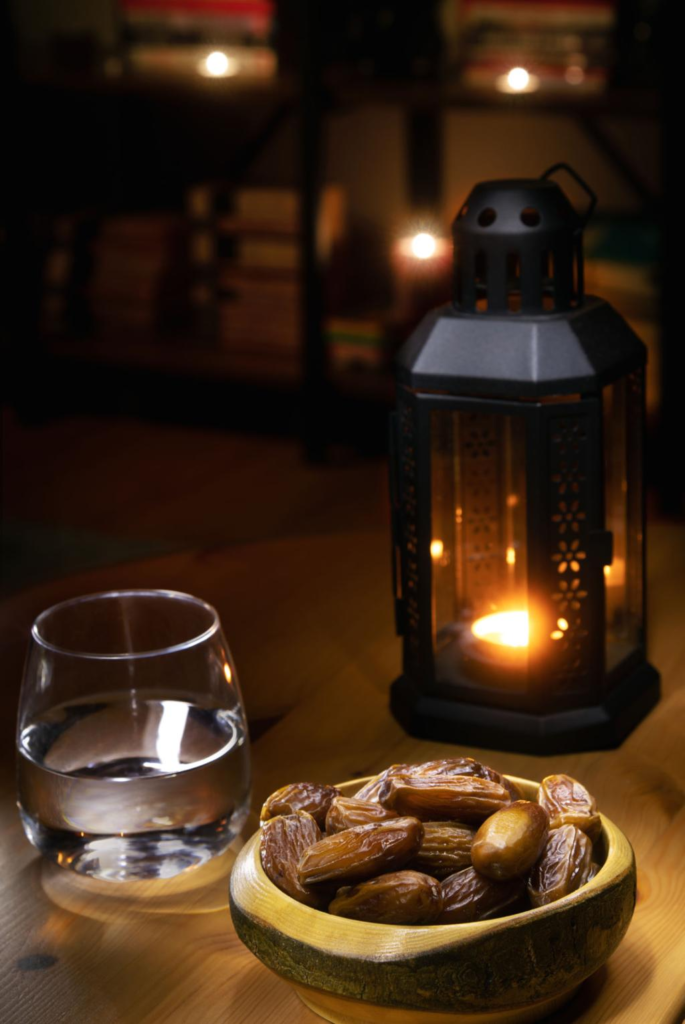
Ramadan—especially iftar, the meal that breaks the fast, instead of eating everything at once, I’ve been trying to:
- Start with dates and water
- Eat slowly
- Pause before taking more
I’ve noticed a difference in how comfortable I feel afterward.
Busy days
Packing lighter meals has helped me avoid that heavy, tired feeling after eating.
Family meals

This is something I’m trying to be more conscious of—not eating just because food is there, but actually listening to my body.
Reflection
I’m still learning this myself. But the more I try to apply this Sunnah, the more I see that health isn’t just about food choices—it’s about discipline, awareness, and intention.
The 1/3 rule reminds me that:
- My body is an a trust from Allah
- Moderation is part of our faith
- Even small habits can be acts of worship
And honestly… I’m far from perfect with it. But even trying has made a difference.
References
- Jami‘ at-Tirmidhi 2380 — The one-third guidance
- Sahih al-Bukhari 5376 — Mentioning Allah’s name before eating
- NIDDK — Treatment for Gas in the Digestive Tract
- American College of Gastroenterology — GERD Clinical Guideline — a peer-reviewed guideline
- published in The American Journal of Gastroenterology, available through PubMed Central.
This article shares my personal experience and general information. It does not replace individualized medical or nutritional advice