
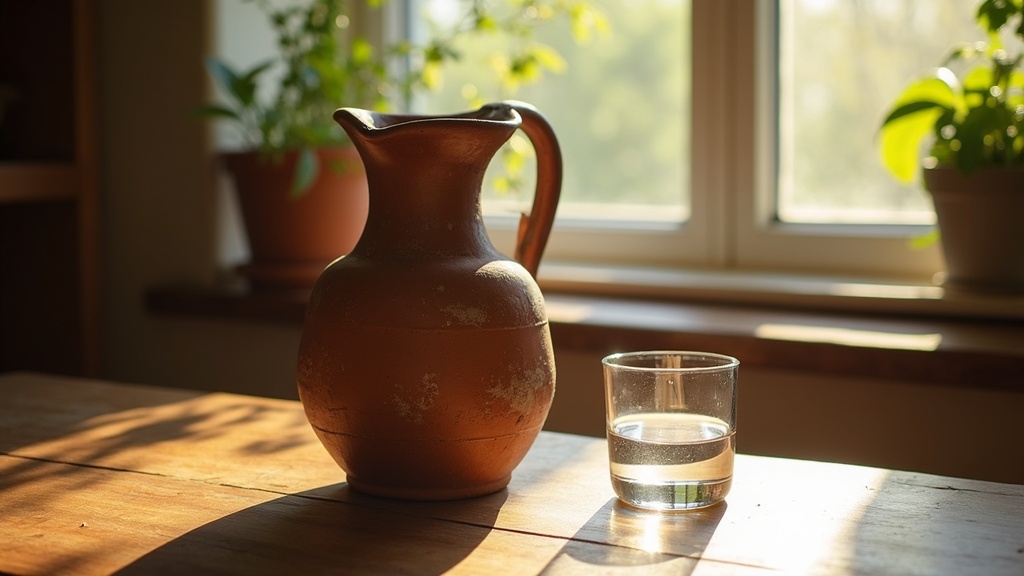
Drinking water is a daily necessity, but when viewed through the lens of the Sunnah—the traditions of Prophet Muhammad ﷺ—it becomes far more meaningful. Sunnah guidance transforms hydration from a routine act into one that combines spiritual awareness, physical health, and mindful living.
These practices bring spiritual connection, gratitude, and awareness into an everyday habit.
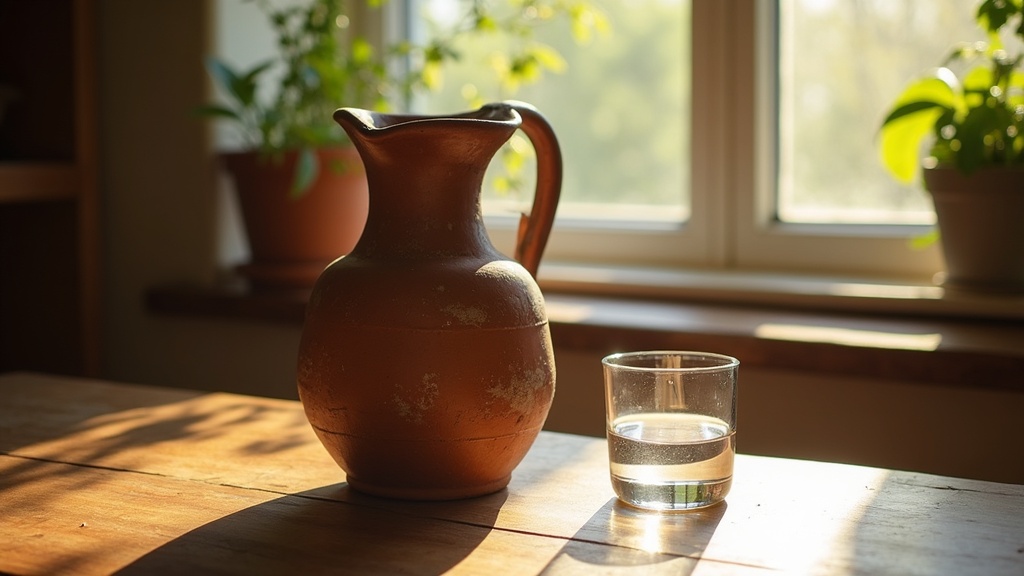
Why Prophetic Habits Matter for Drinking Water
Choosing to drink water in the manner taught by the Prophet ﷺ may appear like a small detail, yet it carries a ripple effect. These habits demonstrate how gratitude and intention can be woven into even the simplest of daily actions.
A glass of water becomes a moment to remember Allah and appreciate His blessings. Water supports our health, while these Sunnah practices give drinking it spiritual meaning
Core Benefits of Sunnah Drinking Practices
- Spiritual awareness in everyday life: Saying Bismillah (“In the name of Allah”) before drinking and Alhamdulillah (“Praise be to Allah”) after finishing anchors the act in gratitude and mindfulness.
Beginning with Allah’s name is part of Islamic drinking etiquette. In Sahih Muslim 2734a, the Prophet ﷺ taught that Allah is pleased with a servant who praises Him after eating or drinking.
These brief phrases remind us to appreciate a blessing we might otherwise take for granted.
- Mindful hydration: The Sunnah emphasizes slowing down and being present, encouraging gentle sips instead of rushing.
- Caring for the body: Drinking enough water supports normal digestion and helps prevent dehydration. Drinking fluids also play a role when you add more fiber to your meals.
Foundational Sunnah Practices for Drinking Water
- Sipping, Not Gulping-Taking small sips can be a simple way to slow down and pay attention to your drinking habits
- Drinking in Three Breaths– The Prophet ﷺ took three breaths outside the vessel during a drink, as reported in Sahih Muslim 2028b.
This means drinking in stages and moving the cup away from your mouth to breathe—not breathing into the water. It offers a simple reminder to pause rather than rush through a drink.
- Not Breathing Into the Vessel– Breathing or blowing into a drinking vessel is discouraged (Sunan Abū Dāwūd 3728). Move the cup away from your mouth when taking a breath. If a drink is too hot, allow it to cool rather than blowing into it.
Drinking While Seated
Sitting while drinking is generally recommended in Islamic etiquette. However, authentic narrations also describe the Prophet ﷺ drinking while standing, including Sahih
Many scholars understand these narrations to mean that sitting is preferable while standing is permissible—not only when drinking Zamzam water
Using the Right Hand
Prophetic guidance encourages using the right hand when drinking (Sahih Muslim 2020). This practice emphasizes awareness, respect, and deliberate action in daily routines.
| Challenge | Replacement solution |
|---|---|
| Household members gulp? | Explain the Sunnah practice of taking pauses and demonstrate it gently. |
| Standing required? | Remember that authentic narrations also describe drinking while standing. |
Science Meets Sunnah Drinking Practices
Modern research highlights clear connections between Sunnah drinking habits and health:
- Proper hydration & digestion: Adequate hydration regulates appetite, supports bowel movement, and improves nutrient absorption. Large, rushed intakes can dilute digestive enzymes and slow down the process (Birmingham Gastroenterology Associates).
- Mindful drinking: Relaxed and intentional routines reduce bloating and improve gut function, echoing modern recommendations for mindful eating (Canadian Digestive Health Foundation).
- Hygiene awareness: Avoiding breath or saliva contact keeps water clean, limiting bacterial transmission—an essential infection control principle.
Step-by-Step Guide to Sunnah Hydration
Water plays an important role in digestion. Health guidance supports drinking enough fluid, but it does not establish a separate medical benefit for every Sunnah drinking practice.
- Hydration and digestion: Water helps the body break down food and keeps stools soft.
- Water and fiber: Drinking enough fluid helps fiber work better, making stools easier to pass.
- Keeping the distinction clear: The religious value of these habits does not depend on proving that each one improves digestion.
Common Challenges and Practical Solutions
- Drinking from bottles or fountains: Where practical, use the right hand and move away from the opening before breathing.
- Public or shared settings: You can say Bismillah and Alhamdulillah quietly.
Hydration Timing
Drinking water during or after meals generally does not interfere with digestion. Mayo Clinic explains that water does not dilute digestive fluids in a harmful way.
The hadith cited here do not establish a rule against drinking water after meals. If your healthcare team has advised you to limit fluids, follow that individual guidance
Everyday Impact of Sunnah Hydration
Drinking water the Sunnah way is a small act with wide-ranging benefits:
- Builds mindfulness into daily life.
- Encourages attention to everyday drinking habits
- Inspires gratitude and reflection.
Frequently Asked Questions
Can Sunnah practices be applied in public or while busy?
Yes. You can use the right hand, take pauses, and remember Allah even during a busy day. Sitting is generally preferred, but authentic narrations also describe drinking while standing.
Is drinking while standing harmful?
The health sources cited here do not establish that standing to drink causes digestive harm. Many scholars explain that sitting is preferable while standing is permissible.
What if Bismillah or Alhamdulillah is forgotten?
Forgetting is natural. Consistency builds gradually, and the practice strengthens over time.
Conclusion
Sunnah guidance on drinking water shows how small daily acts can hold meaning. Taking pauses, sitting when possible, using the right hand, and remembering gratitude bring intention into an everyday routine.
Water supports our physical health, while following the Sunnah gives this simple act spiritual meaning. Each drink can be a reminder to appreciate a blessing that is easy to take for granted.
References
- Sahih Muslim 2028b — Taking three breaths outside the vessel.
- Sunan Abi Dawud 3728 — Not breathing or blowing into the vessel.
- Sahih al-Bukhari 5615 — The Prophet ﷺ drinking while standing.
- Sahih Muslim 2020a — Drinking with the right hand.
- Sahih Muslim 2734a — Praising Allah after drinking.
- Mayo Clinic — Water After Meals: Does It Disturb Digestion? — Water, digestion, and drinking with meals