
 a
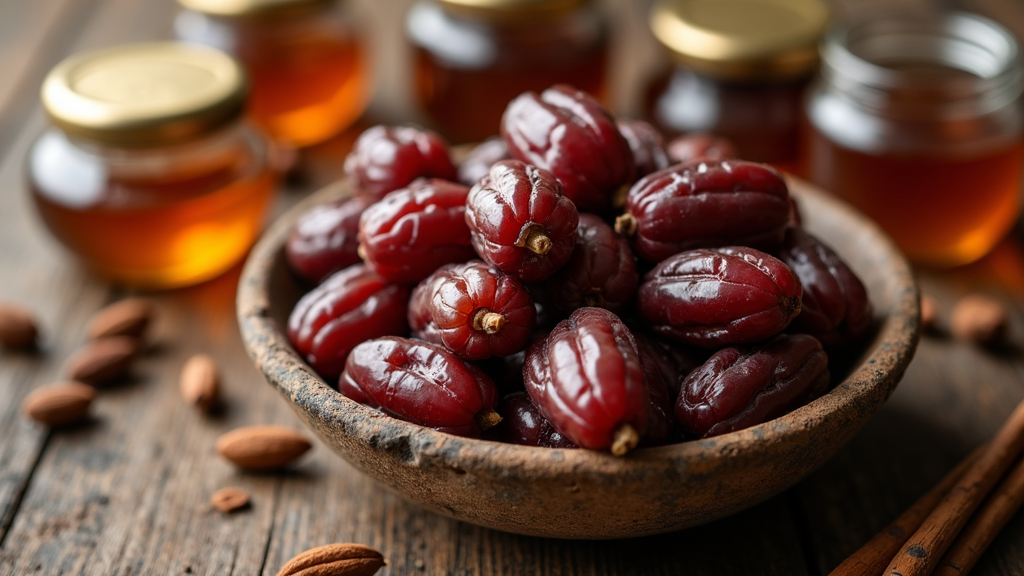
Dates are more than just a sweet treat. They’re a Sunnah staple with layers of history, tradition, and deliciousness packed into every bite. If you’ve ever wondered about their place in the Prophet Muhammad’s ﷺ practice and what they offer nutritionally, there’s plenty to explore. Here’s a look at dates, what research suggests about digestion, and simple ways to enjoy them.
What Makes Dates Special in the Sunnah?
Dates appear in several sayings and accounts of the Prophet Muhammad ﷺ. He used to break his fast before prayer with fresh dates. If fresh dates were unavailable, he ate dried dates, and if neither was available, he drank water. This is recorded in Sunan Abi Dawud 2356, graded Hasan Sahih by Al-Albani.
Ajwa dates are specifically mentioned in Sahih al-Bukhari 5445, which describes protection from poison and magic for someone who eats seven Ajwa dates in the morning. This religious teaching should not be presented as scientific evidence that dates treat poisoning or replace medical care. sunnah.com
Sharing dates can also be a simple gesture of care and hospitality. For Muslims, enjoying them can be a connection to the Prophet’s ﷺ practice. They can also be enjoyed by anyone as part of everyday meals and snacks.
Science Behind Dates: What the Research Says
Dates have been studied for their fiber and plant compounds. They also contain naturally occurring sugars. Here’s what we can reasonably say about their role in digestion:
- Fiber: Dates contribute to daily fiber intake. Getting enough fiber can help with bowel regularity, but it is best to increase fiber gradually and drink enough fluids. This is general fiber guidance, rather than proof that dates alone treat constipation.
- Plant compounds: Dates contain polyphenols, which researchers study for their potential health effects. Their presence does not mean that eating dates has been proven to repair the gut or treat digestive conditions.
- Natural sugars: Dates provide carbohydrates, including sugars. They can fit into a balanced diet, but they are not guaranteed to prevent blood-sugar spikes or crashes.
- Research findings: A small study tested seven dates—approximately 50 grams—daily for three weeks. Results from 21 healthy adults showed increased bowel-movement frequency, but no significant changes in the gut bacterial groups measured.
The study offers interesting early findings, but it was small, short, and involved healthy adults. It does not prove that dates heal the gut, treat IBS, or relieve chronic constipation. Seven dates was the amount tested, not a recommended daily serving for everyone. pubmed.ncbi.nlm.nih.gov
You can read the study in the British Journal of Nutrition. For general guidance about fiber and fluids, see NIDDK’s Eating, Diet, & Nutrition for Constipation. www.niddk.nih.gov
Simple Ways to Enjoy Dates
Bringing the Sunnah into your routine doesn’t need to feel complicated. Breaking a fast with dates is a Prophetic practice. Another narration describes the Prophet ﷺ eating an odd number of dates before going out for Eid al-Fitr prayer. That narration specifically concerns Eid morning (Sahih al-Bukhari 953). sunnah.com
Dates are also versatile enough to enjoy in everyday meals:
- Breakfast addition: Enjoy dates alongside your usual breakfast, or chop one into porridge.
- Simple snack: Keep a small portion of pitted dates in a bag or container for when you want something sweet.
- Smoothie ingredient: Blend dates into a smoothie with banana, oats, and almond milk. Start with a small amount and adjust to taste.
- Stuffed dates: Split open a Medjool or Ajwa date and put in a dollop of tahini, almond butter, or crushed walnuts. Top with a sprinkle of cinnamon.
- Chopped in salads or porridge: Stir chopped dates into hot porridge, or toss them into a salad with spinach, feta, and walnuts.
Dates work in both sweet and savory dishes, so there are plenty of ways to enjoy them. These are options to choose from, rather than a list to eat through every day.
Picking and Storing Dates: Getting the Best for Daily Use
Paying attention to which dates you buy and how you store them can help you enjoy them at their best.
- Types to try: Ajwa dates have a particular place in the hadith mentioned above, while Medjool dates are often soft and caramel-like. Deglet Noor and Safawi are also worth trying for variety.
- Check the label: Look at the ingredients, serving information, and storage instructions. Choose dates that suit your taste and budget.
- Storage basics: Keep dates in a sealed container and follow the package instructions for storage and refrigeration after opening.
If you buy in bulk, check the supplier’s advice about freezing and thawing. Buying a smaller quantity may be more practical if you only eat dates occasionally.
Real-World Results: What Can You Expect When Eating Dates Regularly?
It’s natural to wonder whether adding dates will make a noticeable difference to digestion. The honest answer is that experiences vary.
The research discussed above found an increase in bowel-movement frequency, but it does not give us enough evidence to promise less bloating, relief from IBS, or better digestion within a week or two.
If you enjoy dates, you can include them in your meals and notice how they suit you. There is no need to keep eating a food that seems to worsen your symptoms simply because it has been described as “gut-friendly.”
Simple Date Routine Ideas
For anyone looking for an easy way to work dates into the day, here are a few options:
- At breakfast: Add a chopped date to porridge or enjoy one alongside your usual meal.
- As a snack: Try a date stuffed with nut butter or chopped nuts.
- In a smoothie: Add a pitted date for sweetness, then taste before adding more.
- When breaking a fast: Enjoy dates as part of the Prophetic practice described above.
Choose an option that suits you. You don’t need to eat dates several times a day or follow a special routine.
Things You Need to Know Before Eating Dates Daily
Enjoying dates is about finding a place for them in your overall diet.
- Start small: When adding more fiber-containing foods, increase them gradually so your body has time to adjust.
- Hydrate: Drinking enough fluids helps fiber work. Follow any fluid advice your healthcare professional has given you.
- Consider variety: You can enjoy different types of dates. The research discussed here does not establish one variety as best for gut health.
- Consider portions: Dates vary in size, so a fixed number does not suit everyone.
- Consider blood sugar: Dates contain carbohydrates. If you manage diabetes, include them in your meal plan rather than assuming their natural sugars have no effect.
The American Diabetes Association explains that dried fruit, including dates, can fit into a diabetes eating plan when portions and carbohydrates are considered. diabetes.org
Pay attention to your digestion: People tolerate foods differently. If dates seem to worsen your symptoms, don’t force yourself to eat them. If you follow a special diet for digestive symptoms, ask your dietitian how dates fit into your plan
Bringing Sunnah and Science Together with Dates
Dates bring together tradition, taste, and an easy way to add variety to meals. For Muslims, they can also be a simple connection to the Sunnah.
Whether you’re breaking your fast, looking for a sweet snack, or adding something different to your porridge, dates offer plenty of possibilities. Research gives us some early findings about digestion, but there is still more to learn.
Enjoy them in a way that suits you, without expecting one food to solve every gut problem.
Sources and Further Reading
- Sunan Abi Dawud 2356 — Breaking the fast with fresh dates, dried dates, or water.
- Sahih al-Bukhari 5445 — The narration about seven Ajwa dates in the morning.
- Sahih al-Bukhari 953 — Eating an odd number of dates before Eid al-Fitr prayer.
- Eid and colleagues, British Journal of Nutrition, 2015 — A small human study examining date consumption, bowel habits, and gut bacteria.
- NIDDK: Eating, Diet, & Nutrition for Constipation — General guidance on fiber and fluids.
- American Diabetes Association: Fruit and Diabetes — Guidance on fruit, portions, and carbohydrates.
This article provides general information and does not replace individualized medical or nutritional advice